Blog· October 26, 2026
What is a joint check agreement, and when should a supplier ask for one?
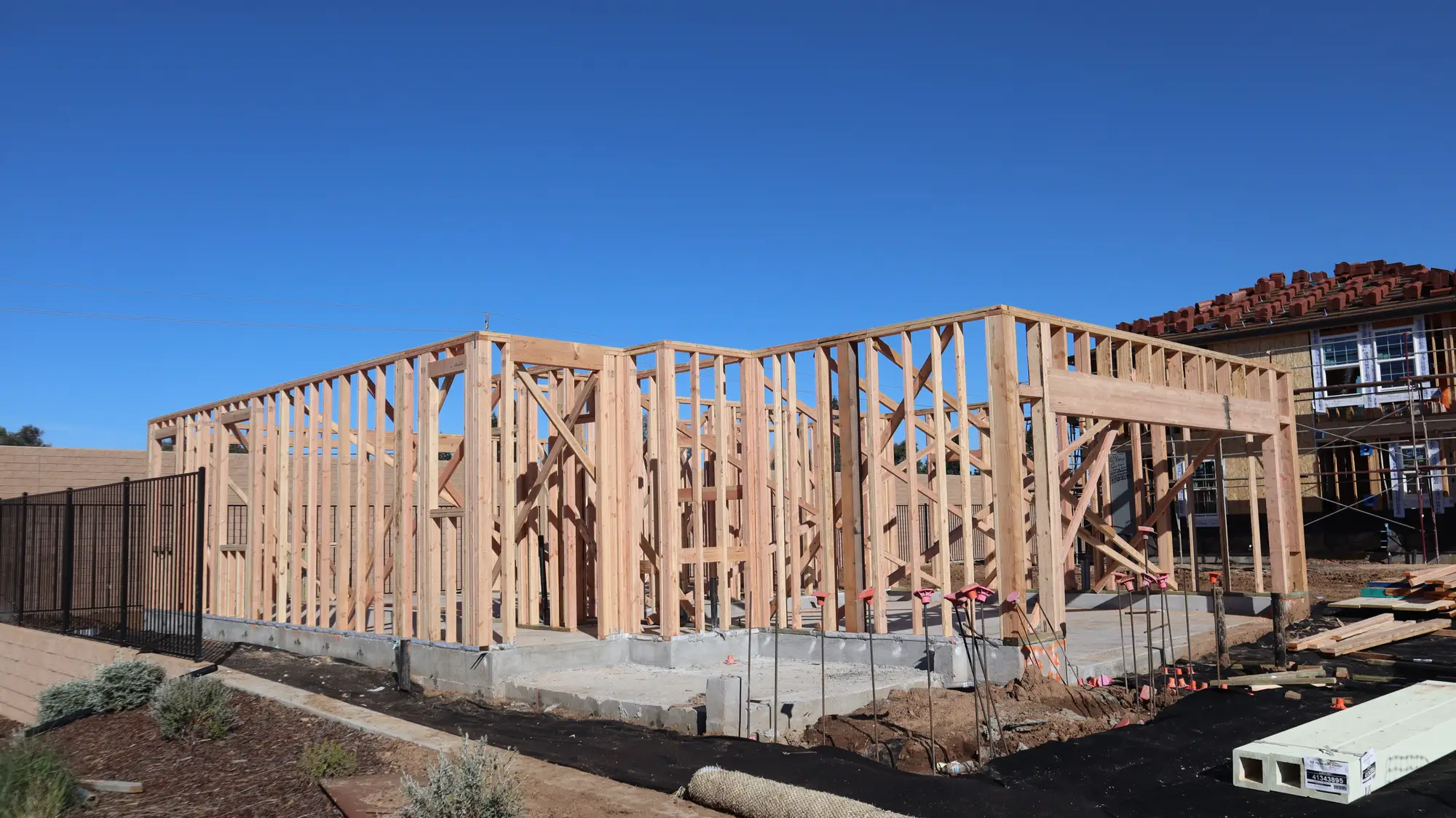
A joint check agreement shows up on a credit analyst's desk the same way most risk tools do: after something has already gone sideways once. Here's what it is, what it covers, and the signals that should get you asking for one before the next draw instead of after.
What a joint check agreement does
A joint check agreement is a written understanding, usually between the owner or GC, the subcontractor, and your yard, that payment for materials flows as a check made out to both the sub and the supplier. The sub can't cash it alone. Your name has to be on the endorsement before the funds clear.
That's the whole mechanism. It doesn't guarantee you get paid faster, and it doesn't change the underlying contract between the sub and the GC. What it does is close the gap where a sub draws against your invoice, gets the check, and pays payroll or another job's shortfall instead of your account. For a supplier carrying open terms on a job where the sub's credit is thin, that gap is where a lot of bad debt gets written off every year.
Some states treat joint checks as relevant to lien rights, some don't, so get your own counsel's read before you lean on one as a substitute for a preliminary notice or bond claim. It's a payment control, not a legal waiver and not a replacement for the paperwork you'd file anyway.
The signals that should put a joint check on the table
You don't ask for one on every job, and asking on every job burns goodwill with GCs who've never missed a payment. The ones worth flagging:
A sub whose AR with your yard has started drifting past 45 or 60 days, even if they eventually pay. Drift is the early tell, not the final one.
A sub you haven't extended credit to before, especially on a job that's large relative to what you know about their bonding capacity or their last project.
A GC or developer you've heard is slow to fund draws, or a project where the financing has already been restructured once. That's secondhand information, which is exactly why it's worth confirming against something you can see rather than something someone told you at a jobsite trailer.
A repeat offender: you chased payment on a prior job with this same sub and it dragged. Structure the next one differently from day one instead of hoping it was a one-off.
Any of these alone might not be enough. Two or three stacked on the same account usually is.
What a joint check agreement doesn't protect against
This is the part that gets missed. A joint check agreement makes sure that when money moves, your invoice gets paid out of it. It does nothing to tell you whether money is going to move at all, because the project is still permitted but not actually under construction.
A sub can be perfectly good for a joint check and still be sitting on a job that's stalled on paper. No excavator has touched the site in three months, the draw schedule the GC quoted you assumed a foundation pour that never happened, and the "next invoice" you're waiting on is tied to a milestone that isn't coming. The check structure is fine. The job just isn't building.
That's a separate check from the credit check, and it belongs before you extend terms on any job, regardless of how solid the sub's credit looks. Confirming the job is moving dirt before you extend terms or structure a joint check is a quicker filter than relying on whatever the sub or GC tells you about progress on site.
Ask for a joint check agreement when the credit signals say the sub is a risk. Ask whether the project is active at all before you decide how much credit to put behind it in the first place.