Monthly briefing · Permitted pipeline
Know which permitted projects are actually building.
Pipeline Validation checks your permitted project list against what a monthly pass sees on site, and dates the verdict on each project: active, stalled, or no activity seen.
- To
- Credit analyst, building-materials supplier
- From
- Pipeline Validation
- Re
- Which projects on the permitted list have people working on them
- Cycle
- Monthly, ahead of the exposure review
Verdict
- Active
- Stalled
- No activity seen
01 The job today
What the permit date tells you, and what it leaves out
A contractor asks for an open account on a project, and the credit file holds a permit: an address, a valuation, an issue date. That is usually all there is. The permit tells you the jurisdiction said yes. It doesn't tell you whether anyone has cleared the lot, so the analyst extends terms on the permit date and the project joins the list the branches are supposed to supply.
Then the list ages. Some projects start the next month. Others sit while financing gets sorted out or the owner sells the parcel, and nobody phones to say a job has gone quiet. The signal arrives late, as a slow-pay on the account or a lien notice from another supplier on the same site.
At the monthly exposure review the analyst is looking at a spreadsheet of permitted projects and guessing which ones are real. Sending someone to drive past each address is the only other check, and nobody drives past every address every month. Meanwhile the sales side forecasts demand off the same list, so a stalled project keeps counting as pipeline until it turns into a write-off conversation.
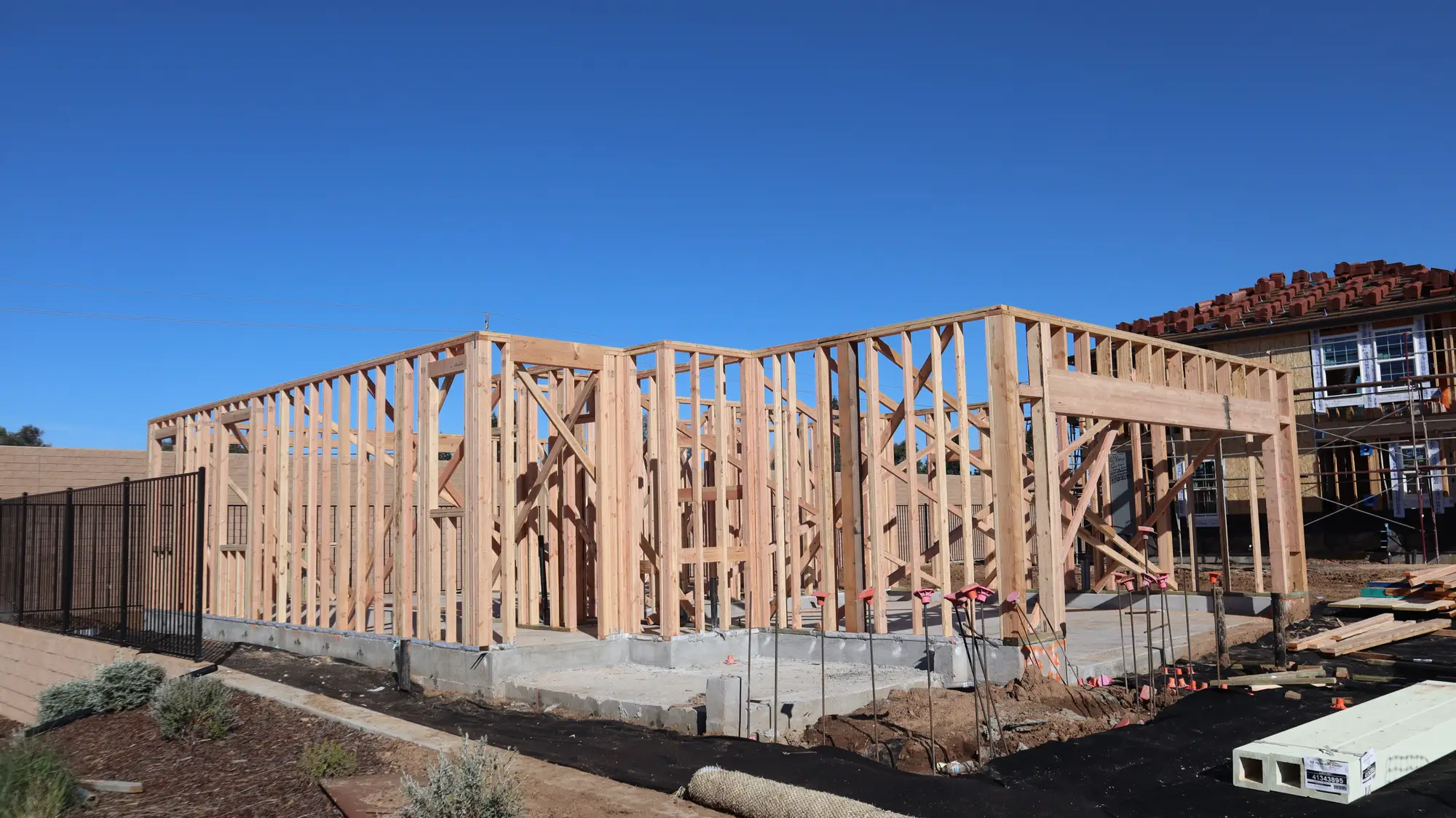
Pipeline Validation puts a dated ground read next to each row of that list every month, so the review starts from what the site looks like now instead of from the permit date.4
02 What you get
What comes back
- 2.1One file per project
A dossier per project
Your permitted status goes in; a dated ground-activity verdict comes out: active, stalled, or no activity seen. Each dossier shows the imagery date the verdict rests on, so you can see how old the read is. It sits beside the credit file for that job.1
- 2.2Rollup of the list
Pipeline-wide rollup
How much of your permitted list is actually building this month, and how much is stalled or showing nothing. This is the page to open at the exposure review, and the count your sales side can compare with its forecast.
- 2.3Month to month
Change log
When each project's verdict moved, and in which direction. A job that goes from active to stalled is a line in the log the month it happens, which is the conversation you want to have before the account ages.
- 2.4Gap notice
A note where the read slipped
If a site was under cloud or the pass didn't come through that month, the dossier and the log say so. The verdict stays as it was, marked with the gap. It is never filled in with a guess.3
03 How it works
How a pilot runs
Project list in
Send the permitted-pipeline list with a location per project: address, parcel or coordinates. Pick the projects, or the region, you want in the pilot, and we confirm imagery can be sourced there before it starts. We take the list as given and never check the permit itself.
Imagery
A monthly high-resolution satellite pass over each site. Each site's first look becomes its own baseline.5
Analysis
Each site is compared with its own baseline and with the prior month for visible construction activity: clearing, grading, excavation, foundations, framing, equipment and stockpiles.2
Delivery
The dossiers, the rollup and the change log, in time for your monthly review. We set the delivery day against your review calendar when the pilot starts.
04 Where it fits in your workflow
Before you extend credit or commit supply
Use it at two points. When a contractor asks for terms on a permitted project, look at the ground before you set the limit. Every month after that, read the change log ahead of the exposure review: the projects that moved to stalled are the ones to call about, and the ones still active are where work is visibly going on.
It doesn't replace the call to the contractor or the site visit. It tells the analyst or the rep which projects are worth one this month. It also gives the branch a second opinion on the sales forecast: if a large share of the permitted list shows no activity, the forecast can be argued about with something in hand.6
05 Notes 1 to 6
Limits
No activity seen is not cancelled
It means no visible ground activity in that month's pass. Financing, weather or a sold parcel can pause a job, and a project can resume.
Resolution floor
At 0.5–2 m a pixel is wider than a hand tool. What shows is cleared ground, grading, excavation, a slab, framing, a stockpile or a line of equipment. A small residential lot at the coarse end of the range has few pixels across it, so only large changes show, and interior work never does.
Cloud and clear-sky windows
Optical imagery needs a clear look at the site. A cloudy month can push a project's read to the next pass. The log notes the gap.
Ground only
The read says what is visible on the ground. It doesn't tell you a project is financed, permitted correctly, paid for or close to completion.
A read that is only monthly
One pass a month. A job that starts and stops between passes is invisible, and a project added to the pilot has no history until its second pass.
Not a substitute for credit judgment
Nothing here sets a limit or approves an account. It is one more input to the person who does.
06 Audience
Who it's for
For
- Credit analysts and credit managers at building-materials suppliers and distributors who extend terms on permitted projects.
- Branch sales leads who forecast demand off a permit list and want to know which projects are real.
- Suppliers who already keep a project list with locations.
Not for
- Checking the permit itself. We take your list as given.
- Financing, lien or completion status.
- Teams who want daily or live updates. The pass is monthly.
- Projects with no location, or interior renovations that show nothing from above.
07 FAQ
Questions before a pilot
Does “no activity seen” mean the project is cancelled?
No. It means nothing visible changed on the ground that month. Financing, weather or a change of owner can pause a job, and it can start again.
What if a site is cloudy that month?
The read can slip to the next pass. The dossier and the change log note the gap instead of guessing a status.
Does this replace a site visit?
No. It tells you which projects are worth one.
How is “active” defined?
Visible construction-stage change since the prior pass. It isn't a completion percentage or a sign that anyone has paid.
Can it check that the permit is valid?
No. It takes your permitted list as given and checks the ground against it.
How do we check it against our own knowledge?
Pick a set of projects where you already know the state of the job, from site visits or from contractor calls, and don't tell us. When the first delivery arrives, compare the verdicts with what you know and decide whether the read is good enough to use in your review.
What do you need from us?
A project list with a location per row. A spreadsheet or CSV with an address, parcel or coordinates is enough to start.
Will it load into our credit system?
It comes as files, so it can sit next to the credit file or be pasted into the exposure-review spreadsheet. We don't write into your credit system or ERP directly.
Who owns the results and the imagery?
Ownership and license terms for the deliverables and the underlying imagery are written into the pilot agreement before anything is ordered. If your counsel needs to review them, ask early.
How is a pilot bought and priced?
We scope it to your project list and the areas it covers. Pricing depends on that scope, and we will walk through how your company buys before a pilot starts.
Next step
Check your project pipeline against the ground.
Send the list and tell us when your next exposure review is. We'll tell you whether the imagery calendar can meet it.
Start a pilot