Blog· November 9, 2026
Stalled subdivision or waiting on utility hookups? How to tell
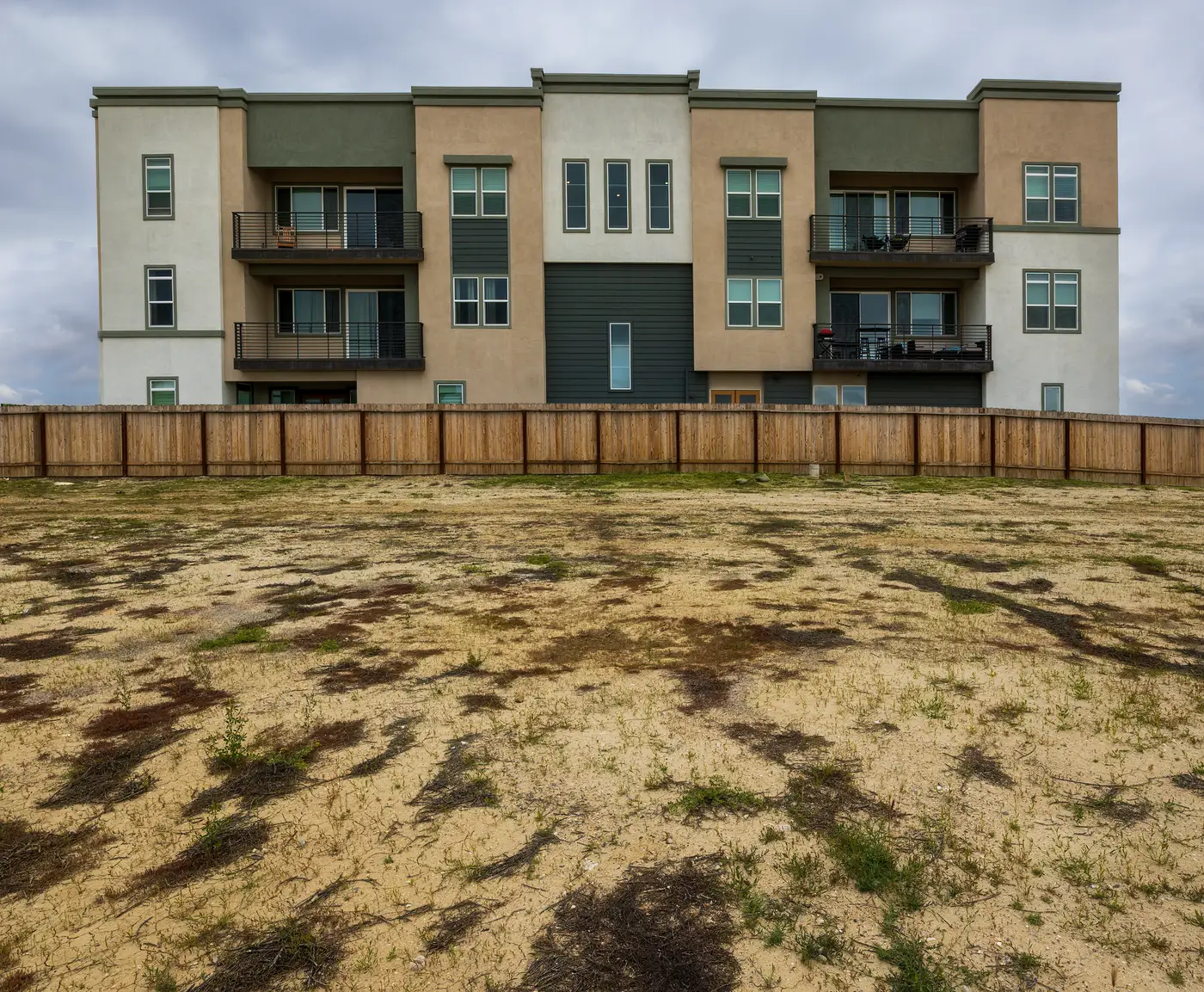
A permit pulled eight months ago with no framing on the lots can mean two very different things for your credit decision. One developer is waiting on the water authority to finish the tap installation and will be back ordering lumber and block the week hookups clear. The other has walked away from the project and that permit is never converting to an order. From a windshield survey or a single pass of imagery, the two can look identical: graded dirt, a stub road, maybe some silt fence. The difference matters a lot when you're deciding whether to hold a credit line open or move that account to watch status.
What a utility-wait actually looks like on the ground
Subdivisions sitting on a water tap or sewer hookup delay still show signs of active intent, they just show them in the wrong order. You'll typically see rough grading completed across most or all of the platted lots, curb and gutter poured, and stub-outs capped at the lot line waiting for a lateral connection. Equipment may sit parked on site between visits rather than actively moving dirt, because the crew is waiting on the utility district's schedule, not because they've demobilized. A lift station or booster pump pad might be poured with no equipment on it yet. None of that is decoration. It's a developer who finished their part of the work and is now stuck behind a public utility's queue, which can run months in some districts regardless of how fast the builder wants to move.
The tell is sequencing. Horizontal work is done or nearly done, but the next phase that depends on the utility connection hasn't started anywhere on the site, not even on the lots closest to the main.
What an actually stalled subdivision looks like
A stalled project reads differently once you know what to look for. Grading stops partway through the plat, often with only the front few lots finished and the back half of the subdivision untouched. Silt fence and erosion controls degrade over multiple passes instead of getting maintained or replaced. No equipment shows up on site at all, not parked, not staged, just absent month after month. Vegetation starts coming back up through graded dirt that's been sitting exposed for two or three cycles. These are the fingerprints of a developer who's paused spending on their own schedule, with no outside party holding things up.
The other giveaway is partial-lot behavior. A utility delay affects the whole subdivision roughly equally, because the tap or sewer connection is a shared constraint. A stall usually shows uneven progress: some lots finished, others never touched, with no obvious reason tied to utility sequencing. That unevenness points to a developer running out of capital or interest.
Why this distinction is worth checking monthly
A single site visit or a one-time permit pull doesn't catch the difference, because both scenarios can look static on any given day. What separates them is what changes, or doesn't, from one month to the next. A utility-wait project eventually shows the hookup clear and construction resumes somewhere in the plat. A genuine stall just keeps looking the same, pass after pass, while the permit quietly ages on your pipeline report.
That's the gap Pipeline Validation was built to close for credit teams carrying a list of permitted projects they can't all drive to. It checks your permit list against what a monthly satellite pass actually sees on each site and sends back a dated verdict per project: active, stalled, or no activity seen. It won't tell you why a project hasn't moved, that still takes a phone call to the developer or the utility district, but it will tell you which accounts on your list are worth that call this month and which ones haven't changed in three.
If your pipeline list has more permits on it than your team can physically check, get in touch about how the monthly dossier works for your portfolio.