Blog· October 19, 2026
How to read a UCC lien filing before extending credit to a homebuilder
What a UCC-1 actually records
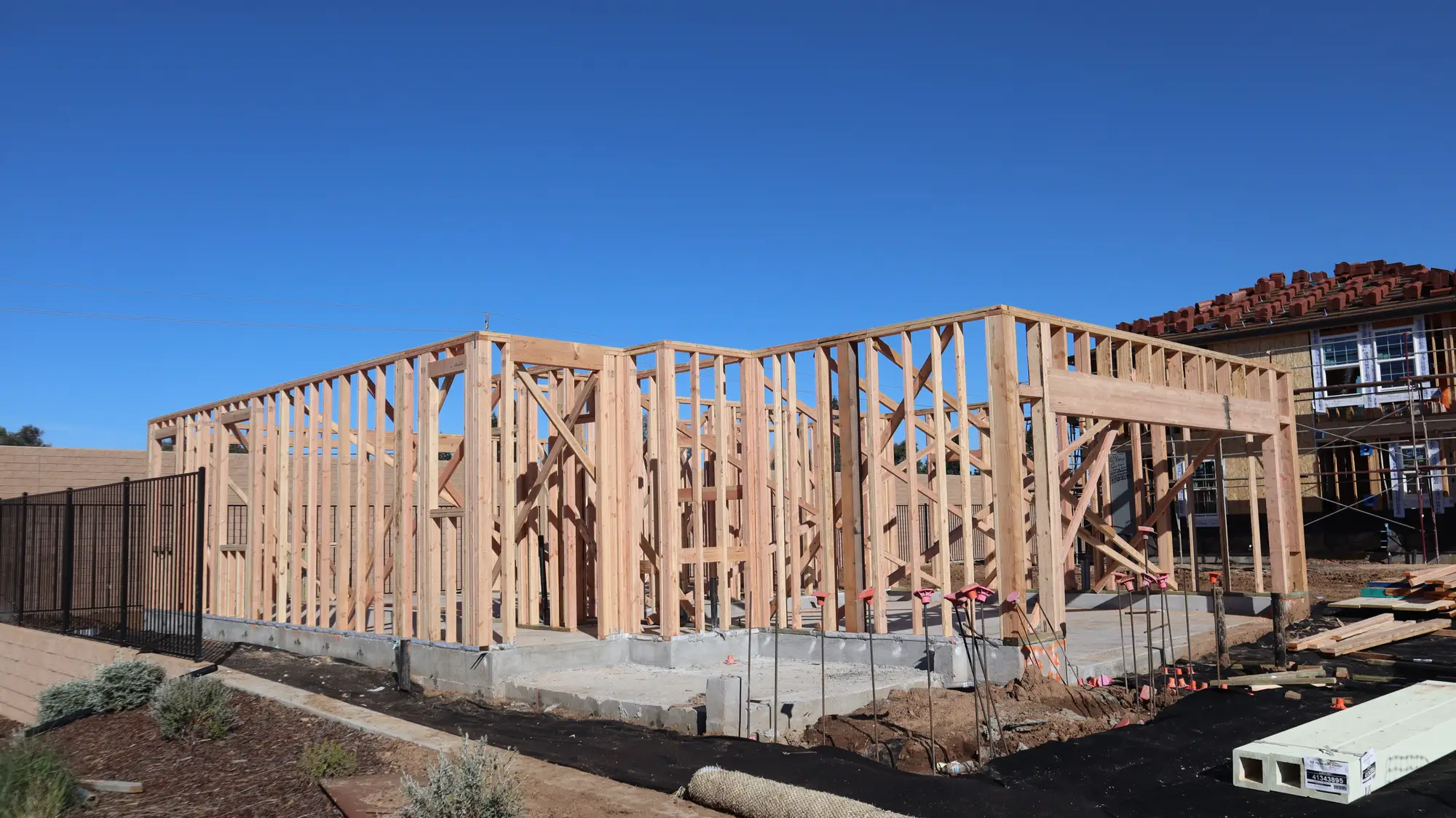
A UCC-1 financing statement is a public notice that a lender has a security interest in a debtor's personal property. For a homebuilder, that's usually equipment, inventory, or sometimes accounts receivable pledged against a line of credit or an equipment loan. The filing names the debtor exactly as it appears on formation documents, the secured party, and a collateral description. That's it. It doesn't say whether the builder is current on payments, whether the loan's in default, or whether the house tied to a permit is framed and roofed or sitting as a slab with weeds coming up through the rebar.
Pull the filing at the Secretary of State where the builder is organized. The jobsite address doesn't matter for this search: a builder set up as an LLC in one state but pouring foundations in three others will have filings scattered across registries, and a search against "Smith Builders" won't catch "Smith Construction Group LLC" if that's the legal name on file. Run the search against the exact entity name on the credit application, then check the DBA registry separately.
Reading the collateral description and the priority stack
The collateral field tells you what's pledged. "All equipment now owned or hereafter acquired" is a blanket lien, broad enough to reach a skid steer bought next quarter. A narrow description naming specific serial numbers means the lender only has a claim on that piece of gear, leaving inventory and receivables open for someone else, possibly you, to get a junior position against later.
Check the filing date against any others on the same debtor. Most states run UCC priority on a first-to-file basis, so a builder with three stacked filings from three different lenders against the same collateral class has been financing the same assets more than once, or financing growth faster than equity supports. Pull the full filing history, not just the most recent entry. A termination statement, filed as a UCC-3, means the original debt is paid and the lien released, worth confirming before you treat an old UCC-1 as still live. Filings lapse automatically five years after filing unless a continuation statement goes in within the six months before expiration, so a filing sitting past year five isn't automatically dead weight, but it isn't automatically live either. Check for the continuation rather than guess.
What the lien search can't answer
None of this tells you whether the builder's permitted projects are moving on the ground. A UCC-1 is a snapshot of secured debt against assets, filed once and amended occasionally. It has no relationship to whether the three-lot permit pulled back in March has a stick of lumber on it by October. A builder can carry a clean lien history and a dead pipeline, or a stack of filings against equipment and a crew pouring slabs on schedule every week. The lien search answers a question about debt priority. It doesn't answer the one you're extending credit against: is this builder building, or has the permit stalled on paper while the account keeps asking for better terms.
That second question is usually the gap in the credit file. Pipeline Validation checks a builder's list of permitted lots against what a monthly satellite pass shows on site and comes back with a dated verdict per lot: active, stalled, or no activity seen. Run that alongside your UCC pull on a builder account asking for a higher limit, and you've got the paper trail and the dirt trail sitting in the same file.
If you're about to raise a limit on a builder account, it's worth seeing what Pipeline Validation turns up on their permitted lots before you sign off.