Blog· October 13, 2026
How to match a permit address to the actual job site
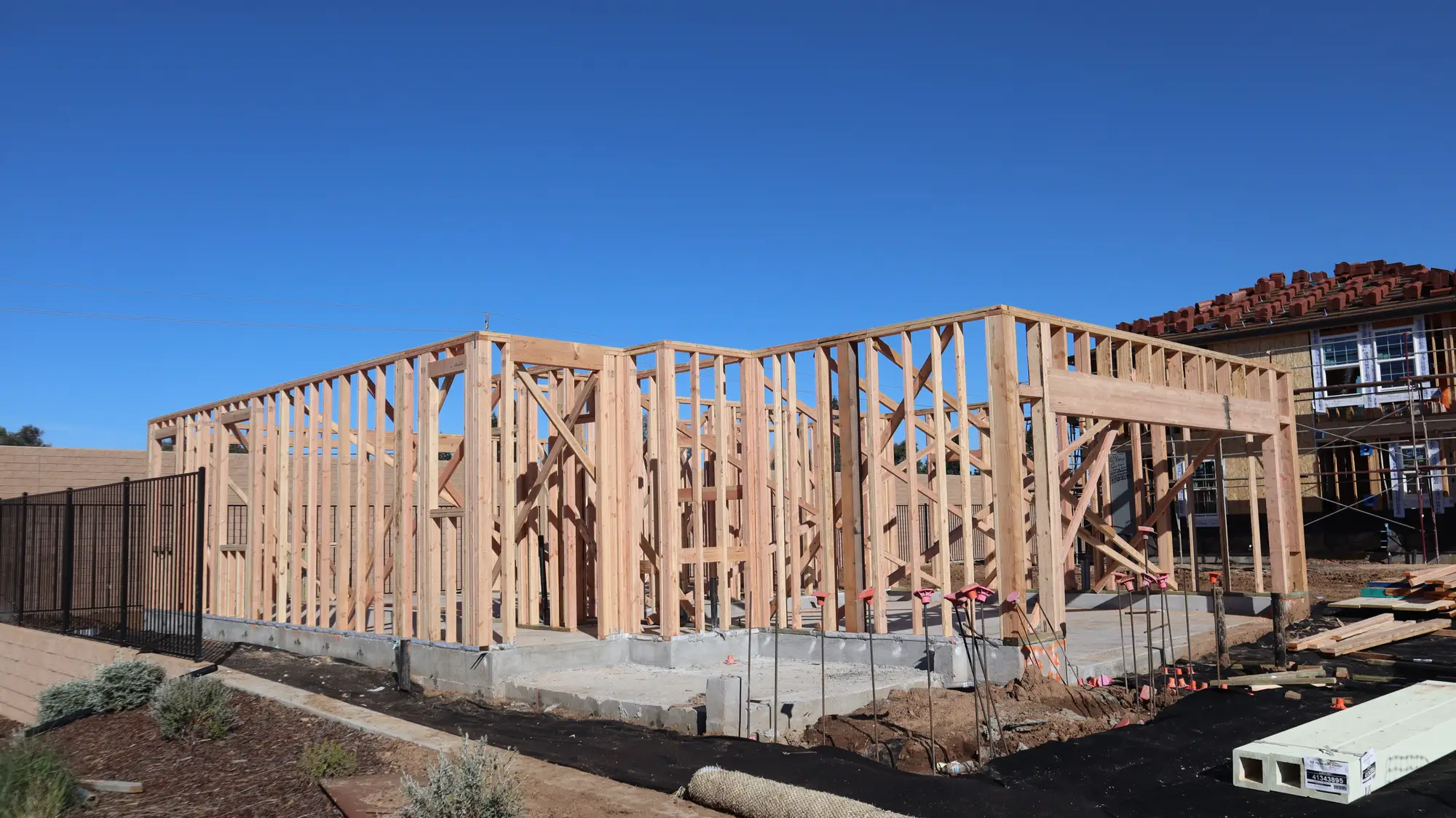
A permit record and a job site are supposed to be the same place. Most of the time they are. But often enough to matter on a credit file, the address on the permit doesn't point cleanly at the dirt where the crew is working, and a supplier who skips the check is extending a line against an address, not a project.
Why the address on the permit doesn't always match the ground
Counties assign situs addresses at different points in the process, and that timing is the root of most mismatches. A parcel gets subdivided, the county's GIS layer hasn't caught up, and the permit gets filed against the old undivided parcel's legal description while the new address exists only in the developer's marketing plat. Rural routes compound it: a permit filed against "Rural Route 4, Box 12" might cover three separate build sites once the road gets renamed and re-numbered for 911 addressing, and the permit database never gets updated to match.
Phased developments cause a different version of the same problem. One parcel number can carry five or six permits over three years as the builder pulls them phase by phase, and a credit analyst pulling the public permit list sees five addresses that all trace back to one APN with no way from the permit alone to tell which phase is active today.
There's also plain data entry. County clerks keying in permits by hand transpose a digit, drop a directional (N vs S), or carry forward a prior owner's mailing address instead of the parcel's physical location. None of that is fraud. It's the normal friction of public records, and the address field on a permit needs confirming against the parcel record before you treat it as a location.
A working method for tying the permit to the parcel
Start with the parcel number, not the street address. The assessor's parcel number (APN) is tied to the legal description and survives address changes, subdivisions, and renumbering in a way the street address doesn't. Pull the APN off the permit record first.
From there, run the APN through the county assessor's or GIS office's parcel viewer. Most counties publish one online now, and it will show you the parcel boundary, acreage, and current situs address on file, which you can then compare line by line against what's printed on the permit. If they match, you've confirmed the permit is tied to the parcel you think it is. If they don't, the parcel viewer's boundary map, not the address field, is the source of truth.
Cross-check the legal description against the plat map when the parcel has been recently split or platted. A lot and block number on the permit should trace to a specific polygon on the recorded plat, and if the permit's legal description references a parcel that no longer exists post-split, that's your mismatch, not an error on your end.
Where the builder or owner name repeats across several permits on one APN, note which permit is the most recent and treat the earlier ones as closed or superseded unless the file says otherwise. Multiple live permits on one parcel usually means phased work, and only one phase is likely live at a given point.
Last step, and the one that actually answers the credit question: none of the above tells you whether dirt is moving. Matching the address to the parcel confirms you're looking at the right piece of ground. It doesn't confirm anyone is building on it this month. A permit tied to a correctly identified parcel can still sit untouched for a year while the file ages on your books as an open account against expected volume.
That's the gap a paper trail can't close by itself, and it's the specific thing a dated read on which permitted parcels show actual ground activity is built to cover: take the parcel you've confirmed, and get a monthly verdict on whether it's active, stalled, or still showing no activity on site.
If your permit list has addresses you've confirmed but still can't vouch for on the ground, that's the gap worth closing before the next credit review.