Blog· October 13, 2026
How to check a GC's claimed start date against what's actually on site
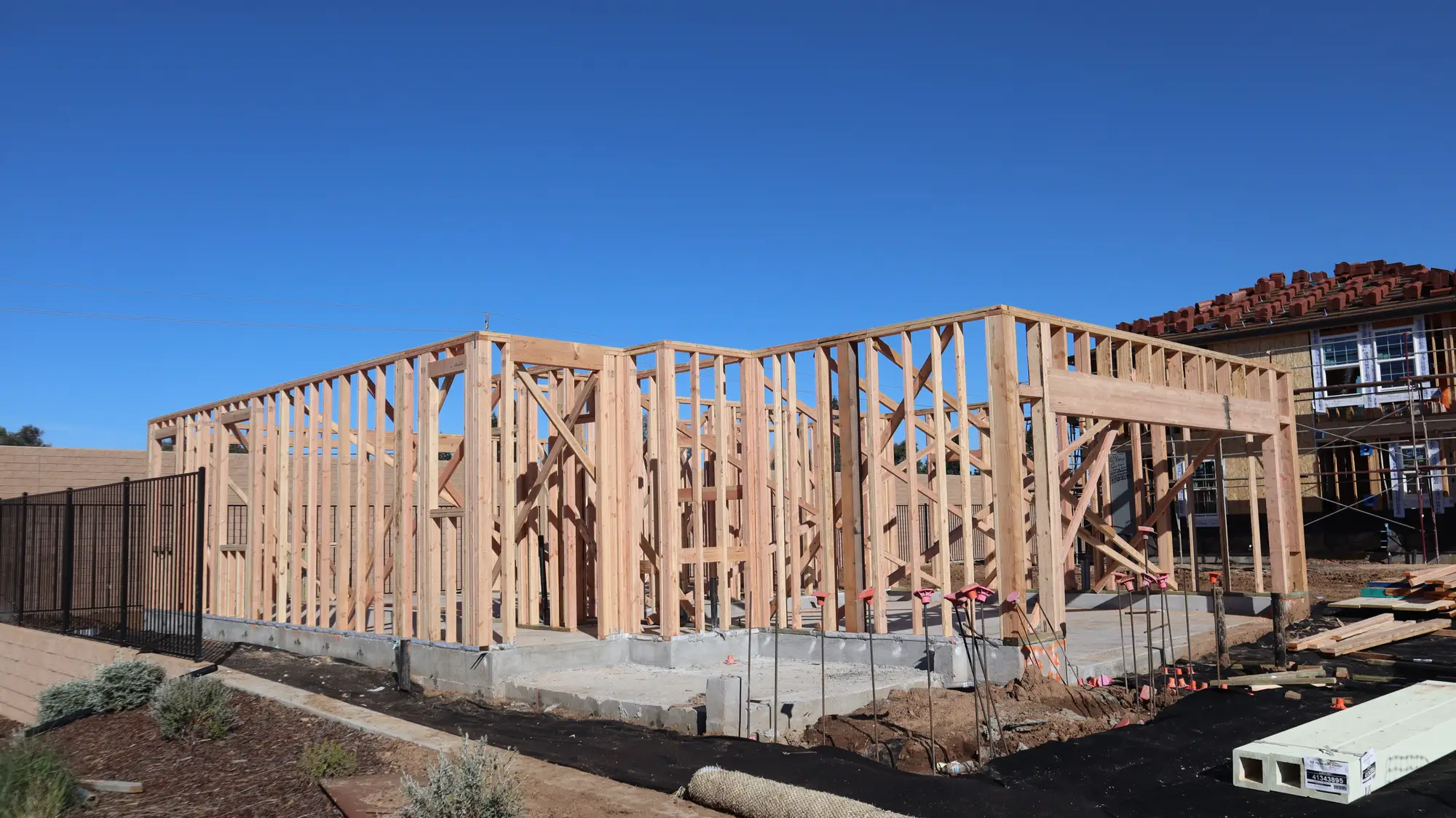
A GC tells you the job broke ground three weeks ago. Your terms are tied to that date, and you're deciding whether to release the next load of block or rebar on the strength of it. The problem is you have no way to confirm "broke ground" means anything more than a permit sitting on a desk and a mobilization letter somebody typed up to keep a credit line open.
This happens more than it should, and not always out of bad faith. A super genuinely believes the site is moving because the excavator showed up for two days before getting pulled to a job that's paying. A developer backdates a notice to proceed because the construction loan has a draw tied to it. Either way, you're the one holding exposure based on a date nobody independently checked.
Why the claimed date matters more than the permit date
Permit issuance tells you a project cleared the county or city. It doesn't tell you anyone picked up a shovel. The gap between permit date and mobilization can run months on a project that's fully entitled and fully stalled: land banked, waiting on an anchor tenant, or caught in a financing delay nobody's announcing. A GC's claimed start date is supposed to close that gap. The trouble is it's self-reported, usually by the party with the most to gain from you believing it.
For a credit analyst, the start date isn't trivia. It feeds into how you age the account, when you expect the first real draw against a material order, and whether a 60-day term makes sense or whether you should be collecting up front until there's dirt moving.
What construction activity looks like from above
Sanity-checking a claimed date comes down to knowing what ground disturbance looks like at the resolution you can get it, and checking that against the date you were told.
A site that's genuinely mobilized shows up as something changing between passes: cleared vegetation, a graded pad, stockpiled material, equipment parked where there wasn't any before, foundation forms going in. A site that's stalled on paper looks the same pass after pass. Same vegetation line, same empty lot, no equipment, no stockpile. If a GC claims mobilization six weeks ago and the most recent pass over that parcel shows the same bare, undisturbed lot as the pass from four months earlier, that claim doesn't hold up, regardless of how confident the paperwork sounds.
The reverse matters too. A GC can be conservative or slow to update you while the site has clearly been moving for longer than they've said. Knowing which way the gap runs, GC ahead of schedule or behind what they reported, matters before you set terms based on the wrong assumption.
Checking the claim without a site visit
A field visit settles this in an afternoon, but it doesn't scale across a credit book with dozens of permitted accounts, and you're not sending someone to drive a county every time a claimed start date shows up on a credit application. What scales is comparing the claimed date against a dated record of ground activity for that parcel, pulled from a pass that happened on or around the date in question, and the next pass after it.
If the claimed mobilization was August 1st, you want to see what the site looked like in late July and what it looked like in late August or September. Stalled, no activity between those two passes, and the claim doesn't match the ground. Active, with a pad graded and material staged by the second pass, and the claim checks out.
That's the comparison this is built for: a permitted project on one side, a dated ground-activity verdict on the other, refreshed monthly so you're not working off a single stale snapshot. Pipeline Validation runs that check against a monthly pass so you're not taking a GC's word for a date that affects your terms.
If you're carrying exposure on projects where the claimed start date is the only thing standing between you and a credit decision, it's worth putting those addresses through a check before the next draw goes out.