Blog· October 14, 2026
How long do you have to file a mechanics lien as a material supplier?
If you supply material to a construction project and the account goes past due, the mechanics lien deadline is the one date your credit file can't get wrong. Miss it and the receivable becomes an unsecured claim sitting behind the bank, the GC's surety, and everyone else with a documented interest in the property.
The short answer: it depends on the state, and it depends on what you did to preserve lien rights before you ever needed them. Most states give suppliers somewhere in the range of 60 to 120 days after the last delivery to the job to record a lien. A handful of states run the clock from completion of the project or from when a notice of completion gets filed instead. Pull the lien statute for your state, or your credit insurer's state-by-state chart, before you set an internal deadline. Don't guess from a blog post, including this one.
Preliminary notice vs. mechanics lien
These get used interchangeably in credit department shorthand and they're not the same filing.
A preliminary notice (also called a notice to owner, notice of furnishing, or 20-day notice depending on the state) is the letter you send near the start of the job, before any payment problem exists, telling the owner and GC that you're supplying material to the project. In most lien states, sending this notice on time is a condition of your lien rights, not a courtesy. Skip it and you can do everything else right at the back end and still have no lien to file.
The mechanics lien is the document you record against the property after the account goes delinquent, usually after you've worked the normal collection steps and the invoice is sitting past terms with no payment plan in place. It has to be recorded within the statutory window for that state, and in most states that window runs from the date of your last delivery of material actually incorporated into that job, not your invoice date, and not the date you stopped shipping because the account hit its credit limit.
So the sequence for a clean file looks like this: notice at the start, delivery tickets logged through the job, lien at the end if it comes to that. Credit departments that skip the first step usually find out why it mattered when the invoice is already 90 days out.
Why the "last delivery" date gets fuzzy on stalled jobs
The fact date trips up a credit file more often than the statute number does. "Last furnishing" sounds simple until the job in question went quiet eight months ago and nobody on your side can say for sure whether that was your last ticket or whether a smaller shipment went out after the one you have on file.
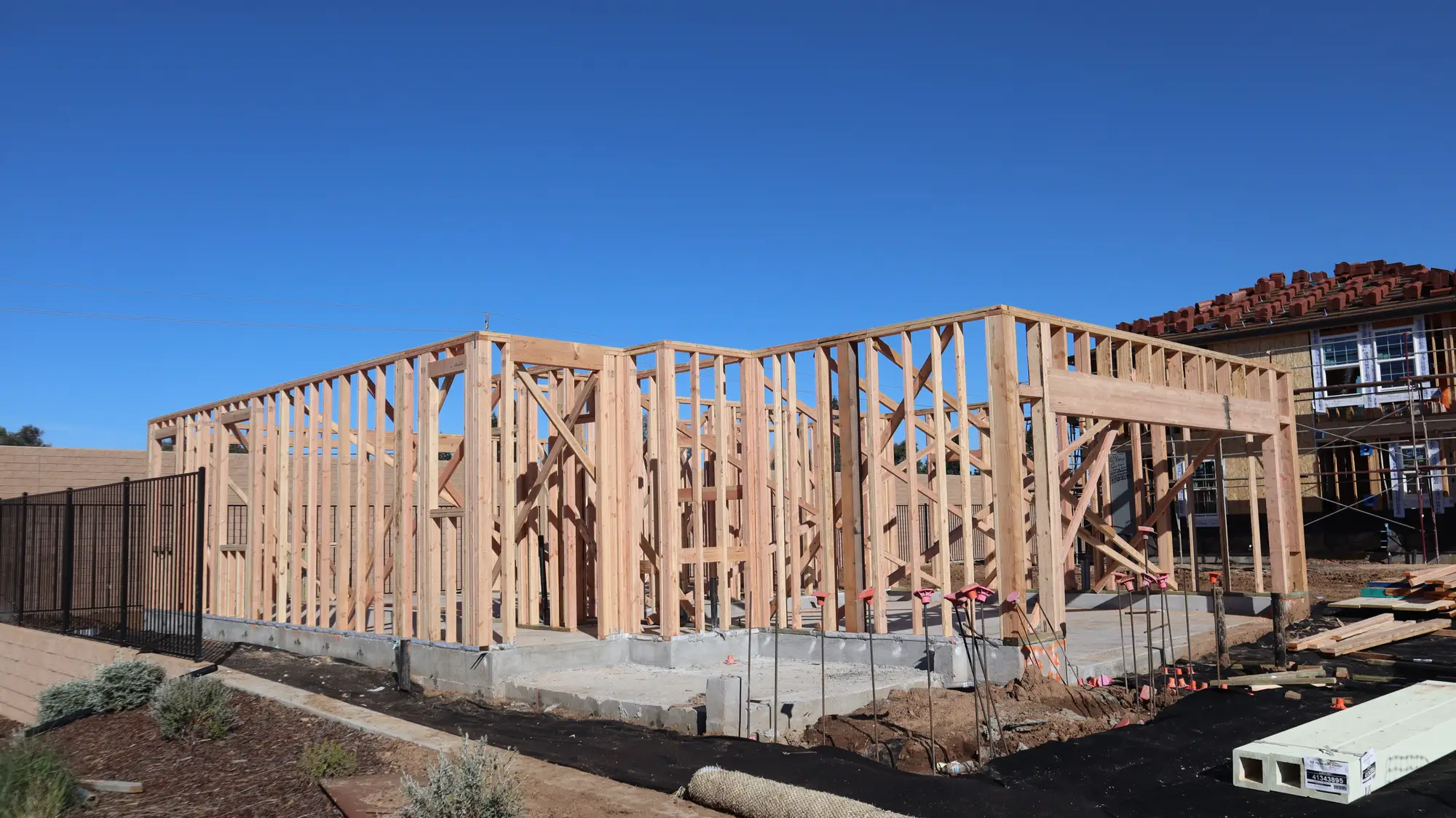
This shows up most on permitted jobs where the credit file still lists the project as active because the permit hasn't expired and nobody closed the account, but the site itself stopped moving dirt a while back. If a project stalls, your lien clock may already be running from a delivery date you logged months ago without flagging it as the last one. By the time collections escalates the account, you can be closer to the deadline than the file suggests.
That gap is exactly what a monthly read on the job site closes: a dated verdict on whether a permitted project is still active, stalled, or showing no ground activity at all, so your credit file reflects what's happening on site instead of what the permit record still says. Pipeline Validation builds that verdict per project from a monthly pass over the address on file, so a stalled job gets flagged while your team still has time to confirm the last delivery date and get a notice or lien recorded inside the window, instead of finding out at day 110.
A practical checklist
- Confirm your state's preliminary notice requirement and send it on every commercial job, not just the ones that look risky going in.
- Log delivery dates at the ticket level so "last furnishing" is a fact you can point to and defend, independent of when the invoice got cut.
- Flag any job where deliveries have stopped without a closed-out account. That gap is where deadlines get missed.
- Calendar the lien deadline off the actual statute for the state the project sits in, not a rule of thumb carried over from another state's file.
None of this is legal advice, and your state's statute is the only citation that matters here. The deadline only protects you if you know the job has gone quiet before the clock runs out.
If your credit file carries permitted jobs you can't confirm are still moving, that's worth a second look before the next lien deadline sneaks up on you.