Blog· October 19, 2026
Field notes: the builder with a spotless credit file and three permits gathering weeds
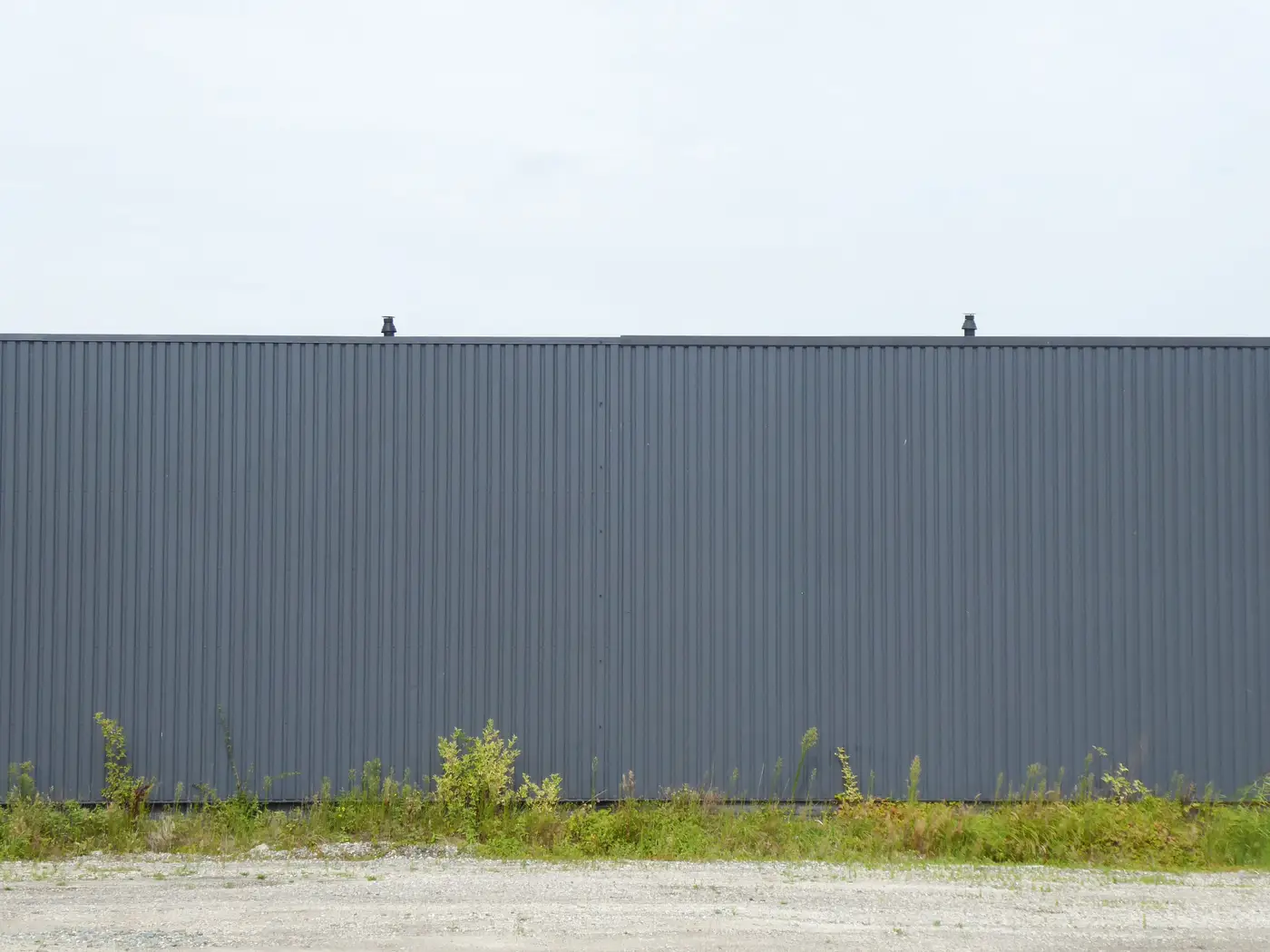
There's a particular kind of file that makes an analyst nervous, and it's not the one with late payments on it.
It's the builder who's never missed a term, carries a six-figure line without a blemish, submits financials on time, and has three open permits that haven't seen a bulldozer in four months. The paper is clean. The paper is always clean with this guy. That's exactly the problem.
I've been doing this long enough to know the spotless file isn't reassurance, it's a blind spot. A builder with a rocky payment history at least tells you something with the rocky history. The one with perfect terms and a permit pulled in March that's still a mowed lot in October is asking you to take the permit's word for his pipeline, and the permit doesn't know anything about dirt work. It just knows somebody filed paper with the county.
I started paying attention to this pattern a few cycles back, after a builder we'd extended a decent line to came in asking for more, citing "three projects in the ground." Projects, plural, in the ground, present tense. Credit file: immaculate. AR aging: clean.
I pulled the permit list because that's what you do, and all three addresses checked out, permits active, fees paid, inspections scheduled. On paper, a pipeline. I just had no way of knowing if a single yard of concrete had been poured on any of them.
That gap between permitted and poured is where a lot of us are flying blind, and it's not because the builder's lying, necessarily. Sometimes it's financing that fell through on the back end. Sometimes it's a sub who walked. Sometimes the permit was pulled specifically to hold a spot in the queue while the builder shops for better terms elsewhere, which, fair, that's a legitimate business move, but it's not a project you should be counting toward anyone's draw schedule, let alone your own exposure.
The old way to close that gap was a drive-by, and drive-bys work fine if you've got one builder and one job site twenty minutes away. They stop working the moment you're carrying terms across a dozen builders scattered over three counties, which is most of us now. Nobody's got a field rep with the gas budget to do a monthly windshield survey of every open permit on the books, so the honest answer for a long time was: you didn't check. You trusted the permit, you trusted the file, and you found out the project had stalled when the builder called asking to restructure.
What's changed is that you don't need the field rep anymore to get the field rep's answer. A monthly look at the ground, not the county's paperwork, tells you whether a permitted address has dirt moving, framing up, or nothing but weeds, and it does it for every address on your list at once, not just the ones close enough to drive past. That's the whole idea behind what we're building at Pipeline Validation: take the permit list a credit file leans on and run it against what a satellite pass sees happening on site, then hand back a dated verdict, active, stalled, or no activity, refreshed every month without anyone needing to schedule a drive-by.
The builder with the clean file and the three quiet permits isn't a villain in this story. Most of the time he's not hiding anything, he's just optimistic, or waiting on something he hasn't told you about yet. But optimism isn't a draw schedule, and a permit number isn't proof of a foundation. The file tells you he pays. It doesn't tell you he's building. Those used to be two different questions you couldn't both answer without a truck and a tank of gas.
If you've got a pipeline you'd like checked against what's actually on the ground instead of what's on file, that's the whole offer.