Blog· November 2, 2026
Field notes: the account we renewed for one more quarter, and the lot that stayed empty
Two files crossed my desk the same week this quarter, both up for a terms review, both backed by permits that looked identical on paper. Same county, filed four months apart, same scope of work, a twelve-unit townhome build. I renewed one account for another quarter at the existing limit. The other I cut to COD and flagged for a re-pull in sixty days. The permit looked the same on both. What told them apart was the dirt on site.
The account I renewed had been slow out of the gate. First draw request came in six weeks after the permit date, later than I like to see, and I noted it at the time. But by the second site visit the footings were poured, forms were still up on the retaining wall, and there was a stack of block on pallets that hadn't been there the month before.
Slow start, steady since. That describes a contractor working through a subcontractor schedule. It doesn't describe someone sitting on a shelved deal waiting for financing to firm up. I renewed the line because the ground backed up the paper.
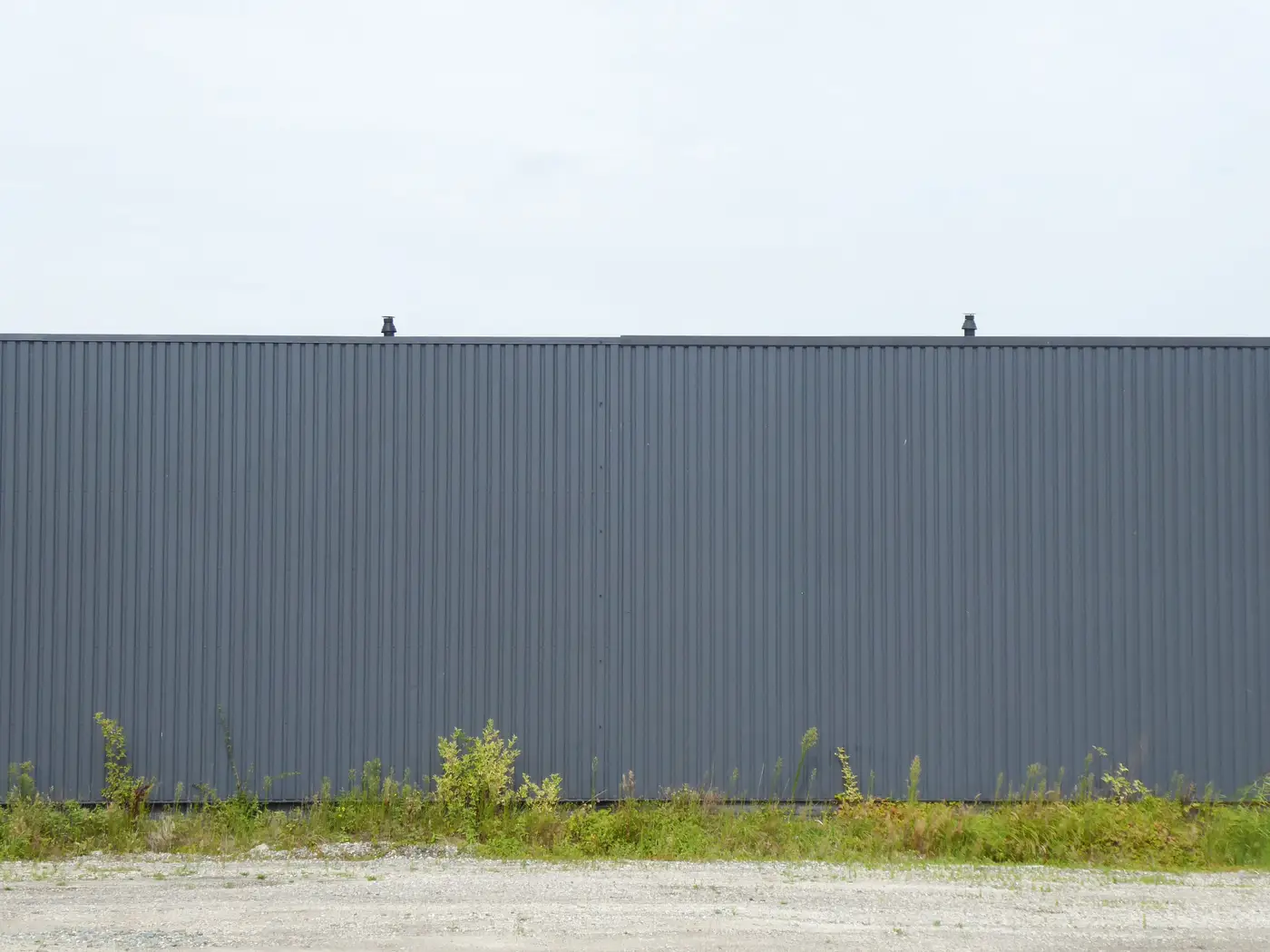
The lot that stayed empty is the one that's been nagging at me. Permit pulled, financing letter on file, GC named and reputable, nothing wrong with the file on its face. Four months in, the site is a silt fence around weeds. No footings, no stockpiled material, no trailer.
I called the GC's office and got the answer I've come to expect in this market: waiting on the lender, should be moving next month. I've heard "next month" on this one twice now. The permit doesn't expire for another eight months, so on paper this account still looks active. It just isn't building.
This is the part of the job nobody puts in the credit policy manual. A permit tells you intent and a filing date. It doesn't tell you whether the crew showed up, and by the time a stalled project shows up in the usual places, a missed payment, a lien filing, a call from the title company asking pointed questions, you've usually already extended the next round of material on the strength of a project that stopped pouring months earlier. A permit filed in good faith can still describe a project that isn't moving. The mistake is reading the filing date as a progress report.
Credit analysts have always been suspicious of permit-stage files. This year I finally have a cheap way to check that suspicion on a schedule, instead of only after a payment slips. I keep a short list of accounts where the permit-to-pour gap matters: the ones with financing contingencies, the ones where the GC has a track record of sitting on filed permits for a season before moving. Once a month I want to know, for each one, whether the lot looks like the one with block on pallets or the one that's still just a fence line. That's the whole ask, a dated answer to "is anyone actually there."
Pipeline Validation is built around that one question, run against a list of permitted projects rather than one lot at a time. Each month it gives a dated verdict on whether that lot is still empty.
The renewed account gets a normal check-in next quarter. The empty lot gets a sixty-day re-pull on the calendar, and if the fence line looks the same when that date comes around, the terms get cut before the next invoice goes out instead of after.
If your own account list has a few lots you'd rather check monthly than guess about, that's the gap this fills.